
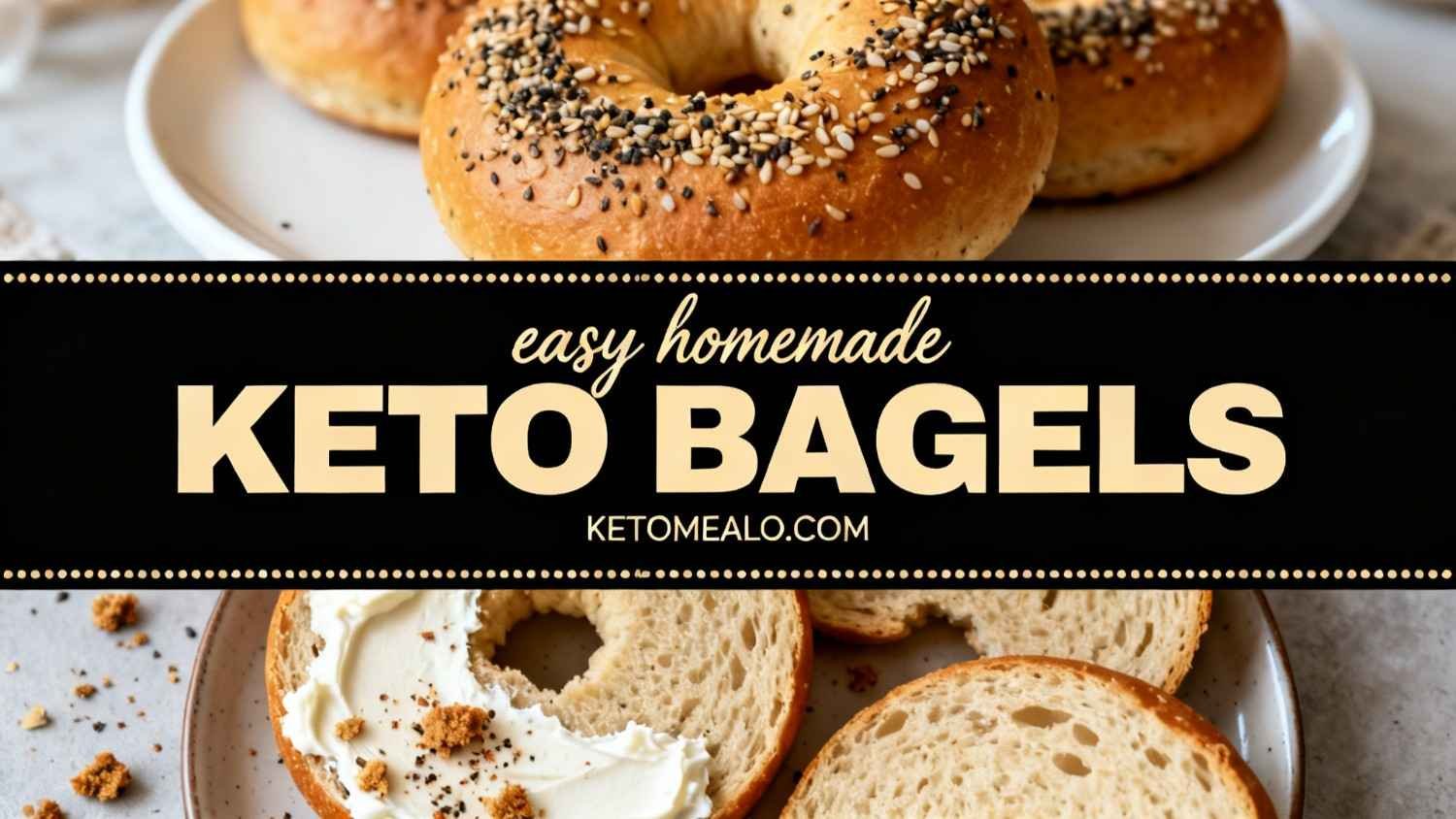
Keto bagels are a dream come true for anyone following a low-carb or gluten-free lifestyle who still misses the comfort of a warm, chewy bagel. Traditional bagels are made with wheat flour and yeast, making them high in carbohydrates and unsuitable for keto. This keto-friendly version recreates the classic texture and flavor using low-carb ingredients like almond flour and cheese—without yeast, refined flour, or added sugar.
What makes keto bagels especially popular is their versatility. They can be enjoyed for breakfast with cream cheese, turned into sandwiches, or used as a base for savory or sweet toppings. Despite being low carb, they’re surprisingly filling thanks to their high protein and healthy fat content. This makes them perfect for anyone seeking high-protein, low-carb meals that still feel indulgent.
Another advantage of keto bagels is how approachable they are. You don’t need advanced baking skills or special equipment. The dough comes together quickly, and there’s no waiting for yeast to rise. Whether you’re new to keto baking or already experienced, this recipe is reliable, customizable, and satisfying.
In this guide, you’ll learn how to make classic keto bagels using almond flour, along with tips for variations, storage, and troubleshooting to ensure perfect results every time.
Ingredients
Equipment
Method
- Preheat your oven to 375°F (190°C). Line a baking sheet with parchment paper and set aside.
- In a large microwave-safe bowl, combine the shredded mozzarella and cream cheese. Microwave in 30-second intervals, stirring each time, until fully melted and smooth.
- In a separate bowl, whisk together almond flour, baking powder, and salt.
- Add the dry ingredients to the melted cheese mixture. Add eggs and mix thoroughly using a spatula or your hands until a cohesive dough forms. The dough should be smooth, slightly sticky, and elastic.
- Divide the dough into 6 equal portions. Roll each portion into a ball, then gently poke a hole in the center and shape into a bagel.
- Place the shaped bagels onto the prepared baking sheet. Sprinkle with your desired toppings, pressing lightly so they adhere.
- Bake for 18–22 minutes, or until the bagels are golden brown and firm to the touch.
- Allow the bagels to cool for at least 10 minutes before serving. This helps them set and improves texture.
Notes
Nutritional Facts and Total Calories (Approximate Per Bagel)
- Calories: 260–290 kcal
- Fat: 22g
- Protein: 10–12g
- Net Carbs: 3–4g
- Fiber: 2g
- Sugar: 1g
Keto Bagels
Ingredient Notes
Almond Flour
Almond flour is the primary dry ingredient in keto bagels. Made from finely ground blanched almonds, it’s naturally gluten-free and low in carbohydrates. Almond flour provides structure and a slightly nutty flavor that works well in baked keto recipes. Use finely ground almond flour for the best texture—coarse almond meal will make the bagels crumbly.
Mozzarella Cheese
Mozzarella cheese is the secret ingredient that gives keto bagels their chewy, bread-like texture. When melted, it creates elasticity in the dough that mimics traditional gluten. Low-moisture, part-skim mozzarella works best because it melts evenly and doesn’t release excess liquid.
Cream Cheese
Cream cheese adds richness and softness to the dough. It also helps balance the texture, preventing the bagels from becoming too dense. Full-fat cream cheese is recommended for both flavor and keto macros.
Eggs
Eggs act as a binder, holding the dough together and helping the bagels rise slightly during baking. Use room-temperature eggs for easier mixing and more consistent results.
Baking Powder
Baking powder provides lift and lightness. Since keto bagels don’t use yeast, baking powder is essential for preventing a dense, heavy texture.
Salt
Salt enhances the overall flavor and balances the richness of the cheese. Adjust slightly depending on your toppings, especially if using salted seasoning blends.
Optional Toppings
Everything bagel seasoning adds a classic flavor profile, while sesame or poppy seeds offer a simple, traditional finish. These toppings also improve visual appeal and texture.
Serving Instructions
- Serve warm or at room temperature
- Slice and toast lightly if desired
- Serve with:
- Cream cheese
- Butter
- Avocado
- Smoked salmon
- Use as:
- Breakfast bagels
- Sandwich bread
- Snack option
Tips
- Use parchment paper to prevent sticking
- Let bagels cool before slicing
- Toast lightly for best texture
- Wet your hands slightly when shaping dough
- Add garlic powder or herbs to the dough for flavor
- Don’t overbake—bagels firm up as they cool
Storage Information
- Room Temperature:
Store in an airtight container for up to 2 days. - Refrigerator:
Store for up to 5 days. - Freezer:
Freeze sliced bagels for up to 2 months. Thaw and toast before serving.
FAQs
1. Are keto bagels really low carb?
Yes. Using almond flour and cheese significantly reduces carbs compared to traditional bagels.
2. Can I make keto bagels without eggs?
Eggs help with structure, but flax eggs may work with a slightly different texture.
3. Can I use coconut flour instead of almond flour?
Coconut flour absorbs more moisture and requires a different ratio, so it’s not a direct substitute.
4. Why are my keto bagels dense?
Overmixing or using coarse almond flour can lead to dense bagels.
5. Can I toast keto bagels?
Absolutely. Light toasting improves texture and flavor.

Hi, I’m James Andrew — the chef behind these keto recipes. I love creating food that’s simple, delicious, and good for the body. My goal is to make healthy eating feel enjoyable, not strict or complicated. I hope my recipes inspire you to enjoy every meal on your keto journey.