
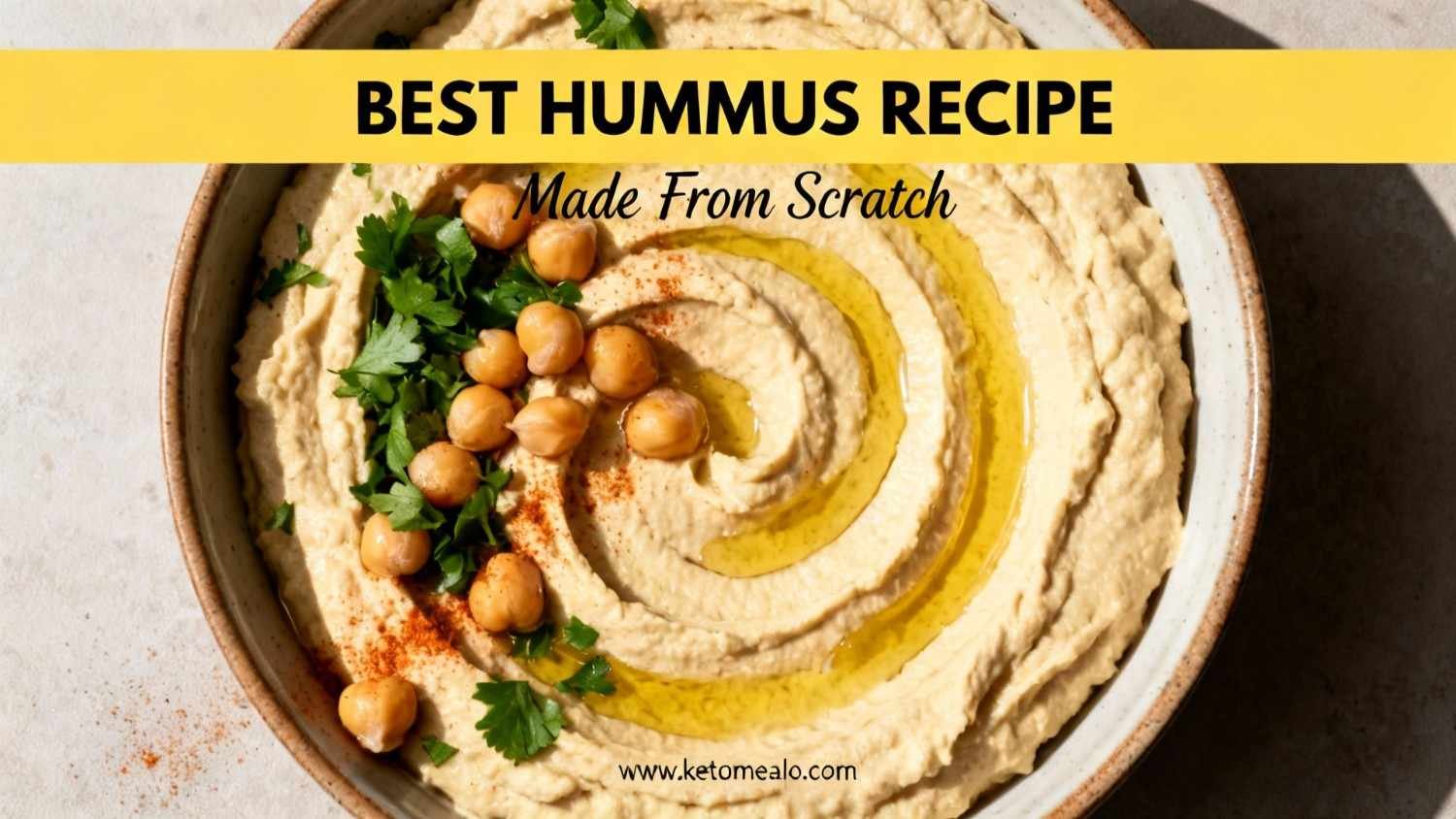
Hummus & Veggie Sticks is one of those timeless combinations that effortlessly balances flavor, nutrition, and simplicity. Whether you’re looking for a quick snack, a healthy appetizer, or a light meal option, this dish delivers on all fronts. Creamy, protein-rich hummus paired with crisp, colorful vegetable sticks creates a satisfying contrast of textures while offering a powerhouse of nutrients.
This recipe is especially popular among those following healthy lifestyles, including vegetarian, low-carb, and balanced diets. It’s naturally gluten-free, packed with plant-based protein, healthy fats, and fiber, and can easily be adapted to suit different taste preferences. The best part? It requires minimal cooking, making it perfect for busy days, meal prep, or entertaining guests without stress.
In this article, you’ll learn how to prepare classic hummus from scratch, select the best vegetables for dipping, and customize flavors to match your preferences. From ingredient notes to storage tips and FAQs, this guide covers everything you need to master hummus & veggie sticks at home.
Ingredients
Equipment
Method
- If using canned chickpeas, drain and rinse them thoroughly. For extra-smooth hummus, you may peel the skins off, though this step is optional. If using dried chickpeas, soak overnight and cook until very soft.
- In a food processor, add tahini and fresh lemon juice. Blend for 30–60 seconds until thick and creamy. This step helps emulsify the tahini and creates a lighter texture.
- Add garlic, cumin, and salt to the tahini mixture. Blend again until well combined and fragrant.
- Add chickpeas to the food processor. Blend for 1–2 minutes, scraping down the sides as needed, until the mixture becomes thick and uniform.
- With the processor running, slowly add olive oil and cold water (or ice cubes) until the hummus reaches your desired consistency. Blend until smooth and creamy.
- Taste the hummus and adjust seasoning if needed. Add more lemon juice for brightness, salt for balance, or olive oil for richness.
- Wash all vegetables thoroughly. Peel carrots if desired. Cut carrots, cucumbers, celery, and bell peppers into evenly sized sticks for easy dipping.
- Transfer hummus to a serving bowl. Use a spoon to create a swirl on top and drizzle with olive oil if desired. Arrange veggie sticks neatly on a platter around the hummus.
Notes
Nutritional Facts and Total Calories
(Approximate per serving)- Calories: 180–220
- Protein: 6–8g
- Fat: 12–14g
- Carbohydrates: 14–16g
- Fiber: 5–6g
- Sugar: 3–4g
Hummus & Veggie Sticks
Ingredient Notes
Chickpeas
Chickpeas are the foundation of hummus. They provide a creamy texture when blended and are rich in plant-based protein, fiber, iron, and folate. You can use canned chickpeas for convenience or cook dried chickpeas for a more authentic flavor. If using canned chickpeas, rinsing them thoroughly helps remove excess sodium and improves taste.
Tahini
Tahini is a paste made from ground sesame seeds. It adds a nutty depth and creamy richness to hummus. High-quality tahini should be smooth, pourable, and slightly bitter. Stir well before using, as oil separation is natural.
Olive Oil
Extra virgin olive oil enhances flavor and adds healthy monounsaturated fats. It contributes to the smooth texture of hummus and is also used as a finishing drizzle for presentation and taste.
Lemon Juice
Fresh lemon juice brightens the hummus and balances the richness of tahini and olive oil. Always use freshly squeezed lemon juice for the best flavor.
Garlic
Garlic adds bold flavor and aroma. One clove is usually sufficient, but you can adjust according to taste. For a milder flavor, roasted garlic can be used instead.
Ground Cumin
Cumin gives hummus its signature earthy warmth. A small amount goes a long way, enhancing depth without overpowering the dish.
Salt
Salt is essential for bringing all flavors together. Start with a small amount and adjust gradually.
Cold Water or Ice Cubes
Adding cold water or ice cubes while blending helps create an ultra-smooth and fluffy hummus texture.
Carrots
Carrots are naturally sweet, crunchy, and sturdy, making them ideal for dipping. They are rich in beta-carotene and fiber.
Cucumber
Cucumbers add freshness and hydration. Their mild flavor complements hummus perfectly, especially in warmer weather.
Celery
Celery offers a crisp texture and slightly salty flavor. It’s low in calories and adds volume to the platter.
Bell Peppers
Bell peppers provide vibrant color and natural sweetness. Red, yellow, and orange varieties are especially popular for their mild taste.
Optional Vegetables
Cherry tomatoes and radishes add variety, color, and a refreshing bite to the platter.
Serving Instructions
Serve hummus & veggie sticks chilled or at room temperature. It works beautifully as
- A healthy snack
- A party appetizer
- A lunchbox addition
- A light dinner side
You can garnish the hummus with paprika, chopped parsley, sesame seeds, or a drizzle of olive oil for extra visual appeal.
Tips
- For extra smooth hummus, blend longer and add ice-cold water gradually.
- Roast garlic for a sweeter, milder flavor.
- Add roasted red peppers or herbs for variation.
- Cut vegetables evenly for a polished presentation.
- Use seasonal vegetables for the freshest taste.
Storage Information
Hummus can be stored in an airtight container in the refrigerator for up to 5 days. Drizzle a thin layer of olive oil on top before sealing to prevent drying.
Vegetable sticks should be stored separately in airtight containers and consumed within 2–3 days for best freshness.
FAQs
1. Can I make hummus without tahini?
Yes, you can substitute tahini with extra olive oil or Greek yogurt, though the flavor will differ slightly.
2. Is hummus suitable for meal prep?
Absolutely. Hummus stores well and is ideal for preparing ahead of time.
3. Can I freeze hummus?
Yes, hummus can be frozen for up to 3 months. Thaw in the refrigerator and stir well before serving.
4. What vegetables work best for dipping?
Carrots, cucumbers, celery, bell peppers, and radishes are excellent choices due to their crunch.
5. How can I make hummus more flavorful?
Add roasted garlic, smoked paprika, fresh herbs, or a splash of olive oil for enhanced flavor.

Hi, I’m James Andrew — the chef behind these keto recipes. I love creating food that’s simple, delicious, and good for the body. My goal is to make healthy eating feel enjoyable, not strict or complicated. I hope my recipes inspire you to enjoy every meal on your keto journey.