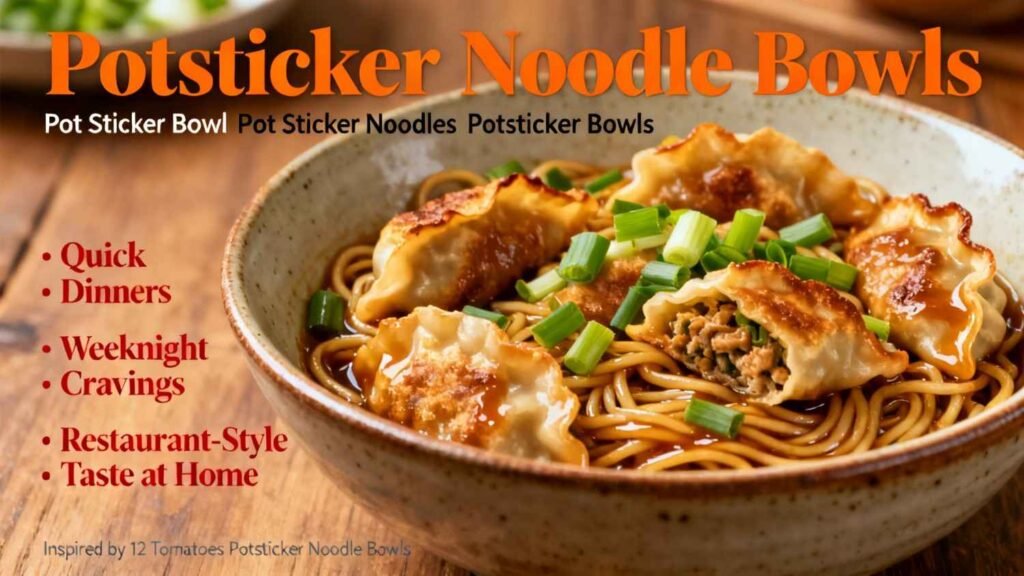
Potsticker Noodle bowls are the perfect fusion of comfort food and bold Asian-inspired flavors. If you love the savory, umami-packed taste of traditional potstickers (also known as dumplings), this dish delivers all those familiar flavors—but in a faster, easier, and more satisfying bowl format. Instead of folding dumplings, you transform the classic filling elements into a rich, saucy noodle dish that’s ideal for busy weeknights, meal prep, or indulgent cravings.
This recipe captures the essence of potstickers: juicy seasoned meat, garlic, ginger, soy sauce, sesame oil, and a hint of sweetness, all combined with tender noodles and a glossy sauce. The result is a dish that tastes complex yet comes together quickly with pantry-friendly ingredients.
One of the best things about Potsticker Noodle Bowls is their versatility. You can customize the protein, adjust the spice level, add vegetables, or even make it vegetarian. Whether you’re cooking for yourself, family, or guests, this recipe is approachable for beginners yet impressive enough to feel restaurant-quality.
Let’s dive into everything you need to make this deeply flavorful, slurp-worthy meal.
Ingredients
Equipment
Method
- Bring a pot of water to a boil. Add noodles and cook according to package instructions. Drain and set aside. Avoid overcooking; noodles should remain slightly firm.
- Heat sesame oil in a large pan over medium heat. Add garlic and ginger. Sauté for about 30 seconds until fragrant but not browned.
- Add ground meat to the pan. Break it apart using a spatula. Cook until fully browned and no longer pink. Stir frequently for even cooking.
- Stir in chopped green onions. Cook briefly to soften and release flavor.
- In a small bowl, mix soy sauce, oyster sauce, hoisin sauce, vinegar, chili sauce, sugar, and water. Pour into the pan. Stir well.
- Add drained noodles. Toss gently to coat evenly. Cook for 1–2 minutes until sauce thickens slightly.
- Taste and adjust seasoning. Add more soy sauce or chili if desired.
Notes
Nutritional Facts & Total Calories (Approximate per serving)
- Calories: ~420–480 kcal
- Protein: ~22g
- Carbohydrates: ~45g
- Fat: ~18g
Potsticker Noodle Bowls
Ingredient Notes
Ground Meat
Ground meat forms the heart of the dish and mimics the filling of potstickers. Ground chicken offers a lighter profile, pork provides rich traditional flavor, and beef creates a deeper, heartier taste. Choose based on preference or availability.
Sesame Oil
Sesame oil contributes a signature nutty aroma that defines many Asian dishes. A small amount adds significant depth. Always use toasted sesame oil for maximum flavor.
Garlic
Garlic builds the savory foundation. Fresh garlic is strongly recommended over powder for authenticity and intensity.
Ginger
Fresh ginger adds warmth, brightness, and complexity. It balances the richness of the meat and enhances the potsticker flavor profile.
Green Onions
Green onions provide freshness, mild sharpness, and visual appeal. They are essential for achieving that dumpling-like taste.
Soy Sauce
Soy sauce delivers saltiness and umami. Regular or low-sodium both work; adjust quantities to taste.
Oyster Sauce
Oyster sauce adds sweetness, thickness, and savory depth. If unavailable, substitute with additional hoisin sauce.
Hoisin Sauce
Hoisin sauce contributes gentle sweetness and body. It rounds out the sauce beautifully.
Rice Vinegar
Rice vinegar brightens the dish and prevents the sauce from feeling too heavy.
Chili Sauce (Optional)
For those who enjoy heat, chili sauce adds a pleasant kick. Completely optional.
Brown Sugar / Honey
A touch of sweetness balances the salty and savory elements.
Noodles
Use whatever noodles you enjoy. Ramen, egg noodles, or rice noodles all work well. Cook until just tender.
Serving Instructions
Serve immediately while hot. Garnish with sesame seeds, extra green onions, or chili flakes. Pair with:
- Steamed vegetables
- Cucumber salad
- Light soup
Tips
- Do not overcrowd the pan when browning meat
- Use fresh ginger for best results
- Avoid overcooking noodles
- Add vegetables for texture and nutrition
Storage Information
Store leftovers in an airtight container in the refrigerator for up to 3 days. Reheat gently with a splash of water.
Freezing is not recommended due to noodle texture changes.
FAQs
1. Can I make this vegetarian?
Yes. Replace meat with mushrooms, tofu, or plant-based mince.
2. What noodles work best?
Ramen, egg noodles, rice noodles, or even spaghetti.
3. Can I meal prep this?
Absolutely. Store sauce and noodles together and reheat gently.
4. How do I make it spicy?
Add chili paste, chili oil, or crushed red pepper.
5. Can I use leftover cooked meat?
Yes. Simply add during sauce step and heat through.

Hi, I’m James Andrew — the chef behind these keto recipes. I love creating food that’s simple, delicious, and good for the body. My goal is to make healthy eating feel enjoyable, not strict or complicated. I hope my recipes inspire you to enjoy every meal on your keto journey.